How to Generate Accounting Leads: Channels, Funnels and 7 Tips
Accounting lead generation is the difference between a firm that grows on purpose and one that waits for the phone to ring. This guide shows you how to generate accounting leads consistently: how to choose the right channel for your budget, how to build a funnel that turns visitors into enquiries, and seven tips that separate firms who get accounting leads from firms who keep guessing.
Why referrals alone will not grow your firm
For years, referrals did the job. A happy client mentioned your name, a new client called, and the practice grew quietly in the background. The problem with that model is that you do not control it. Referrals arrive when they arrive, they bring whatever type of client happens to turn up, and they slow down exactly when you need them most.
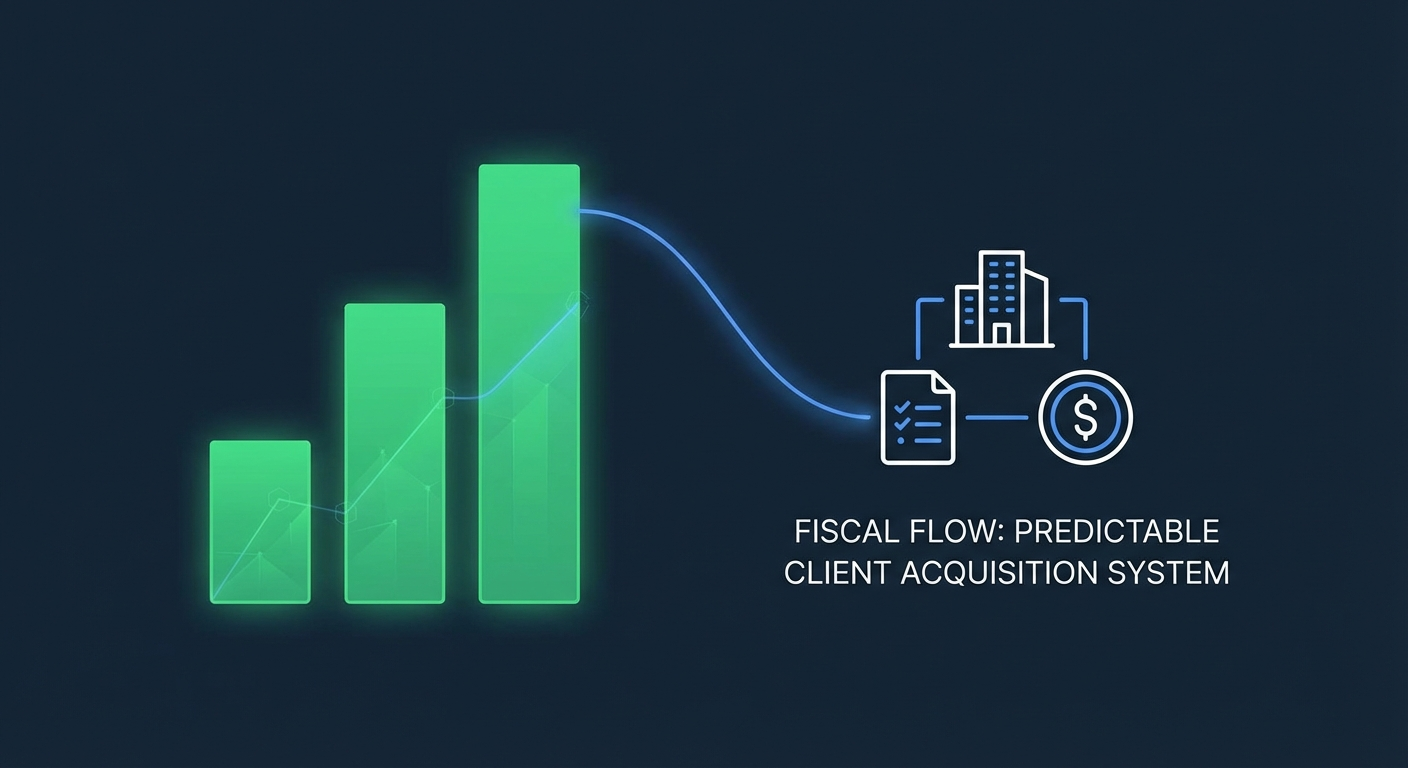
Accounting lead generation replaces that dependency with something you own. Instead of waiting to be recommended, you appear at the moment a business owner is looking for help, and you have a system that captures their interest and follows up. Firms that build this stop worrying about where next month’s clients come from, because the answer is the same every month.
The rest of this guide is practical. You will not need a big team or a large budget to start. You will need a clear channel, a simple funnel, and the discipline to run both properly.
THE SHORT VERSION
Reliable accounting lead generation comes down to three things: pick one channel where your clients already are, send that traffic to a funnel built for one type of client, and follow up fast enough to convert. Everything below expands on those three.
Choosing the right lead generation channel for your budget
There is no single best channel for generating accounting leads. The right one depends on how your ideal client looks for help and how much you can spend each month. A firm with a £400 monthly budget should not run the same plan as a firm spending £3,000. Below are the channels that work for accounting firms, then a tool to match them to your budget.
Search channels reach people who are already looking. Someone typing “small business accountant” and their town into Google is ready to hire, so Google Ads and SEO put you in front of active demand. Meta ads work differently: they reach business owners who would want you but are not searching yet, which suits a niche service like US tax for UK residents. Outbound email and LinkedIn target a specific list of firms one message at a time. Reviews and a strong Google Business Profile quietly build the local trust that makes every other channel convert better.
| Channel | Rough monthly budget | Time to first leads | Best for |
|---|---|---|---|
| SEO | £300 to £800, or your time | 2 to 4 months | Compounding inbound enquiries over time |
| Google Ads | £750 management plus ad spend | Days | Capturing high-intent local searches now |
| Meta Ads | £1000 management plus ad spend | 1 to 2 weeks | Reaching a defined niche that is not searching yet |
| Outbound email | Low, mostly time | 2 to 4 weeks | Targeting a specific list of firms |
| Reviews and Google Business Profile | Low | Ongoing | Local trust and map visibility |
What is your monthly marketing budget?
Whatever you choose, commit to one channel first and fund it properly. A small budget spread across four platforms gives none of them enough data to work. Around £20 to £30 a day for two to three weeks is the minimum for Google or Meta to learn what converts. Judging a campaign after three days is the fastest way to waste money on accounting lead generation.
Building an effective accounting lead funnel
A channel only sends people. What turns them into accounting leads is the page they land on. Most firms make the same mistake here: they point ads or search traffic at their homepage. A homepage tries to serve everyone, so it convinces no one. A funnel does the opposite.
A funnel is one page with one job. It speaks to one type of client, makes one clear offer, and asks for one action. When a stranger lands on a page about their exact situation, they feel understood, and understood people take the next step. This is the single biggest lever in accounting lead generation, and it is usually the cheapest to fix.
Build the page in this order, from the top down:
- A headline that names the client and their problem. “Thinking about a US LLC as a UK resident?” works far better than “Welcome to our firm”.
- One line on the outcome they get once you have helped them.
- The offer: one clear thing to take up, usually a free call or a fixed-price first piece of work.
- Two or three reviews with real names and real results.
- A risk reducer, such as “no obligation”, “fixed price agreed up front”, or “cancel any time”.
- A single call to action: a short form or a booking calendar, with nothing competing for the click.
You can build this as one new page on your existing site. It does not need to look expensive, and it does not need to be your whole website. It needs to say one thing to one person. If you want the detail on turning more of your existing visitors into enquiries, read our guide to conversion rate optimisation for accounting firms.
7 tips for successful accounting lead generation
A channel and a funnel get you started. These seven tips are what separate firms who generate accounting leads consistently from firms who get a burst of enquiries and then watch it dry up.
Stay customer focused
Write every page and ad for the client, not to impress other accountants. Speak to their problem in their words, and the right people respond.
Build niche, ICP-specific pages
One page per audience beats one page for everyone. A page built for your ideal client profile converts far better than a general services page.
Track everything
You cannot improve what you do not measure. Track cost per lead, conversion rate and source, so you know which accounting leads actually came from where.
Use a CRM for attribution and management
A CRM records where every lead came from and keeps them moving through your pipeline, so nothing sits forgotten in an inbox.
Respond within 5 minutes
Speed wins. A reply within five minutes dramatically outperforms one sent hours later. Fast follow-up is often the cheapest lift available.
Have a sales process
A repeatable process for handling enquiries means you stop wasting leads you paid to generate. Same steps, every time, so good leads do not fall through.
Qualify leads hard
Strong qualifying tells the ad platforms who your good leads look like, which lets them find more of them and lowers your cost per client.
Work with an expert
Do not guess what works. A tested system beats trial and error. Book a call and get a working system →
→
Accounting lead generation FAQs
How do accountants generate leads?
The firms that generate accounting leads reliably pick one channel where their clients already are, such as Google, Meta or SEO, send that traffic to a funnel built for one type of client, and follow up quickly with a CRM. Referrals still help, but they are not a channel you can control or scale.
What is the best channel for accounting lead generation?
It depends on how your clients look for help and your budget. Google Ads and SEO capture people already searching for an accountant. Meta ads reach a defined niche that is not searching yet. Start with the one that fits your clients, fund it properly, then add another.
How much does it cost to generate accounting leads?
You can start meaningfully on around £20 to £30 a day of ad spend, plus a strategy or management fee. We have generated qualified accounting leads at a £10.79 cost per lead on Meta. Your figure depends on your niche and how well your funnel converts.
How long does it take to see accounting leads?
Paid channels like Google and Meta ads can produce leads within the first week or two. SEO compounds over two to four months. A good funnel and fast follow-up shorten the time between a lead arriving and a client signing.
Should I buy accounting leads?
Bought lead lists are usually sold to several firms at once, so you compete on price from the first call, and the contacts rarely asked to hear from an accountant. Generating your own leads gives you higher intent, exclusivity and control.
How do I get more qualified accounting leads?
Qualify harder and position for a niche. Narrow, ICP-specific pages attract better-fit prospects, and strong qualifying teaches the ad platforms who your good clients look like, so they find more of them at a lower cost.